

Exploring Historical Places in Vietnam Must-Visit Sites in Ho Chi Minh City
1. Historical Places in Vietnam: An Overview
Vietnam is a country rich in history, where ancient temples, colonial landmarks, and war memorials tell the story of its past. Exploring historical places in Vietnam offers a deeper understanding of its cultural heritage, from imperial cities to hidden wartime tunnels.
1.1. Vietnam’s Cultural and Historical Significance
Vietnam’s history spans over 4,000 years, shaping its identity as a cultural and political force in Southeast Asia. Influences from ancient dynasties, colonial powers, and modern conflicts have left their mark on the country’s landscape and architecture. From the Cham Kingdom’s Hindu temples to the remnants of French colonial rule, Vietnam’s historical sites offer a fascinating blend of tradition and modernity. Each landmark reflects a different chapter in Vietnam’s journey, making the country a compelling destination for those who want to understand its layered past.
1.2. Why Visit Vietnam’s Historical Places?
Visiting historical places in Vietnam is not just about sightseeing—it’s about experiencing the country’s culture, resilience, and evolution firsthand. These sites offer a unique perspective on Vietnam’s struggles, from its battles for independence to the influences that shaped its development. Whether it’s exploring a UNESCO World Heritage Site, walking through centuries-old streets, or visiting war museums, each visit allows travelers to gain a deeper appreciation of Vietnam’s heritage and identity.
2. Famous Historical Places in Vietnam
From the grand Hue Imperial City to the ancient ruins of My Son Sanctuary, famous historical places in Vietnam showcase the country’s diverse history. Each site reflects a different era, preserving stories of emperors, traders, and revolutionaries.
2.1. Hue Imperial City
The Hue Imperial City, a UNESCO World Heritage Site, was once the capital of Vietnam during the Nguyen Dynasty. It is a vast complex of palaces, temples, walls, and gates that showcase traditional Vietnamese architecture and imperial grandeur. Key attractions include the Forbidden Purple City, where emperors once resided, and the beautifully adorned tombs of past rulers. A visit to Hue offers a glimpse into the royal lifestyle and the artistic legacy of Vietnam’s last dynasty.
2.2. Hoi An Ancient Town
Hoi An, a remarkably well-preserved trading port from the 15th century, is a cultural gem that reflects centuries of history. Its winding streets are lined with wooden merchant houses, vibrant lantern displays, and historical landmarks such as the Japanese Covered Bridge. The town’s unique blend of Chinese, Japanese, and European influences makes it a must-visit destination for those interested in Vietnam’s commercial past and architectural heritage.
2.3. My Son Sanctuary
My Son Sanctuary is an ancient Hindu temple complex built by the Champa Kingdom between the 4th and 13th centuries. Designated as a UNESCO World Heritage Site, the site features intricate stone carvings and impressive brick structures that reveal the spiritual and artistic achievements of the Cham civilization. Despite damage from war, My Son remains a significant cultural and historical attraction.
2.4. Cu Chi Tunnels
The Cu Chi Tunnels, an underground network used by Vietnamese soldiers during the Vietnam War, highlight the ingenuity and resilience of the Vietnamese people. Visitors can explore the tunnels, which served as living quarters, storage facilities, and communication routes during the war. The site provides an immersive experience into the tactics and survival strategies employed by the Vietnamese forces.
2.5. Hoa Lo Prison
Hoa Lo Prison, also known as the “Hanoi Hilton,” was used during French colonial rule to imprison Vietnamese revolutionaries and later housed American prisoners of war. The museum showcases chilling artifacts, prison cells, and exhibitions that document the struggles and sacrifices of those who fought for Vietnam’s independence.
3. Historical Places in Ho Chi Minh City
As a city that has witnessed significant historical events, historical places in Ho Chi Minh City provide insight into Vietnam’s modern history. Iconic sites like the Reunification Palace, War Remnants Museum, and Notre Dame Cathedral reveal the city’s colonial past and wartime resilience.
3.1. Reunification Palace
The Reunification Palace, formerly known as the Independence Palace, played a crucial role in Vietnam’s history. It was here that the Vietnam War officially ended in 1975 when tanks crashed through its gates. Today, the palace remains a preserved historical site with underground bunkers, war command rooms, and artifacts from the war era.
3.2. War Remnants Museum
The War Remnants Museum is a powerful reminder of the Vietnam War and its lasting impact. Exhibits include military vehicles, photographs, and personal accounts from survivors. The museum provides a sobering yet essential perspective on the war’s effects on Vietnam and its people.
3.3. Notre Dame Cathedral
Built in the late 19th century, Notre Dame Cathedral is one of Ho Chi Minh City’s most iconic colonial-era landmarks. With its twin bell towers, stained glass windows, and neo-Romanesque design, the cathedral stands as a testament to French architectural influence in Vietnam. It remains an active place of worship and a symbol of the city’s multicultural heritage.
3.4. Saigon Central Post Office
Designed by Gustave Eiffel, the Saigon Central Post Office is a stunning example of colonial architecture. Visitors can admire its grand interior, intricate detailing, and vintage telephone booths. Beyond its historical significance, the post office remains fully operational, allowing travelers to send postcards as keepsakes.
3.5. Ben Thanh Market Area
While primarily known as a bustling market, Ben Thanh Market is also one of the city’s oldest landmarks. Established in the 19th century, it serves as a cultural and historical hub where visitors can experience local life, traditional Vietnamese cuisine, and a variety of handicrafts.
4. Tips for Exploring Historical Sites in Vietnam
To fully appreciate Vietnam’s rich history, knowing the best tips for exploring historical sites in Vietnam can enhance your experience. Visiting during off-peak hours, dressing appropriately, and choosing between guided tours or self-exploration can make your journey more immersive.
4.1. Best Times to Visit
To make the most of your visit, consider exploring historical sites in the early mornings or late afternoons to avoid crowds and high temperatures. The cooler months from November to April are ideal for outdoor visits.
4.2. Cultural Etiquette
Respecting cultural norms is essential when visiting historical and religious sites. Modest dress is recommended, especially at temples and pagodas. Speaking softly, refraining from touching artifacts, and following local guidelines enhance the experience for all visitors.
4.3. Guided Tours vs. Self-Exploration
Both guided tours and self-exploration have advantages. Guided tours offer in-depth historical insights and structured itineraries, while self-exploration allows for flexibility and a more personal connection with the site.
5. Why Vietnam’s Historical Places Matter
Beyond being tourist attractions, why Vietnam’s historical places matter lies in their role in preserving the country’s identity. These landmarks reflect Vietnam’s resilience, cultural evolution, and the importance of safeguarding history for future generations.
5.1. Preserving Cultural Heritage
Vietnam’s historical sites play a crucial role in preserving the country’s rich heritage. Conservation efforts ensure that future generations can appreciate these landmarks and the stories they hold.
5.2. Understanding Vietnam’s Identity
These historical places reflect Vietnam’s resilience, creativity, and cultural diversity. Exploring them provides a deeper appreciation of the country’s past and how it continues to shape its identity today.
From ancient temples to colonial-era buildings and war memorials, historical places in Vietnam offer a journey through time, revealing the depth of the country’s cultural and historical legacy. Whether you are walking through the grandeur of famous historical places in Vietnam, such as the Hue Imperial City, or exploring historical places in Ho Chi Minh City, like the Reunification Palace, each site holds a unique story waiting to be discovered. Amanaki Saigon Boutique Hotel curates insightful travel experiences, helping guests connect with Vietnam’s rich past while enjoying refined hospitality.
Plan your visit today and explore why Vietnam’s historical places matter as you uncover the history that has shaped this remarkable country.
Latest Stories
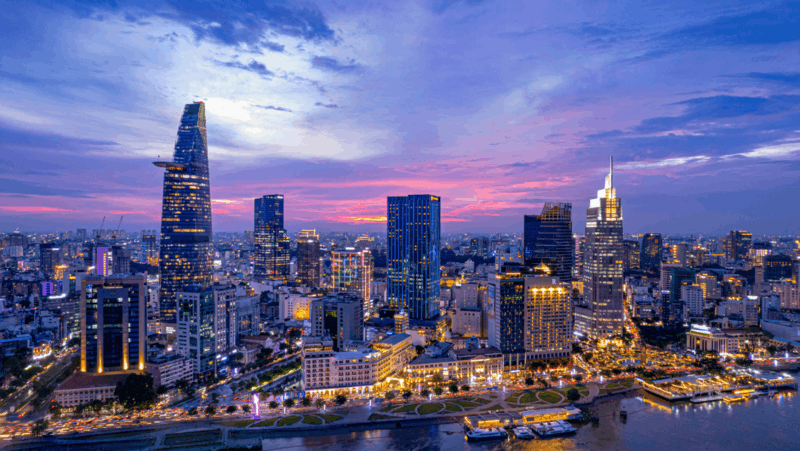
Retreat Ho Chi Minh: Choose a Place to Stay, Choose a Way to Live
Experience a different kind of retreat Ho Chi Minh without leaving the city. Simply choose the right place to slow down and enjoy the weekend.
READ MORE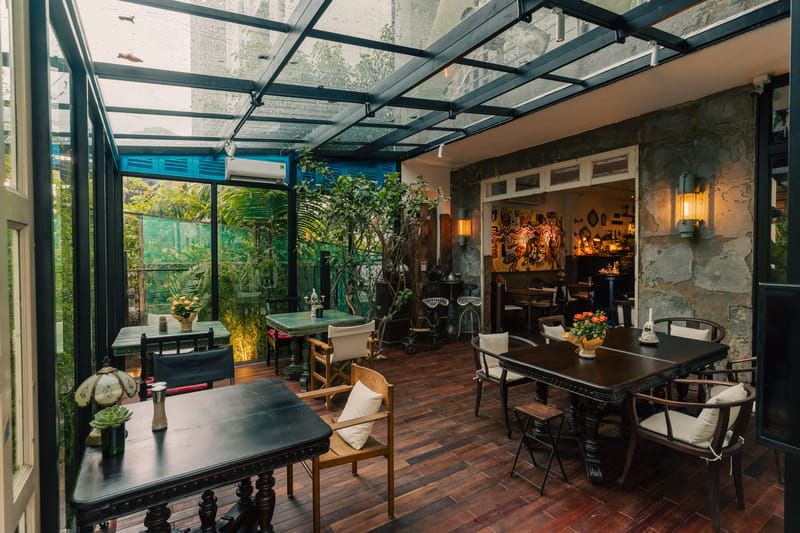
Bleisure Travel: Why Young People Want More Than Work on Business Trips
Bleisure Travel biến chuyến công tác tại TP.HCM thành hành trình đáng nhớ với trải nghiệm ẩm thực, wellness và những khoảng nghỉ riêng.
READ MORE
A Healing Journey at a Wellness Retreat Ho Chi Minh in 2026
Wellness retreat Ho Chi Minh: Discover a 2026 healing journey with outstanding accommodations in the heart of the city.
READ MORE